⚠ Do now
Mobile phone
data recovery
Australia-wide.
Wet, smashed, dead or locked. The photos may still be there.
Recover photos, messages, contacts and app data from water-damaged, broken, locked or completely dead phones. We email every client a free prepaid Australia Post Express label, so you can send the phone without travelling to the laboratory or paying intake postage.
See what decides the cost- Free Express post-in label
- Free diagnosis
- Written quote before work
- No data, no fee on standard recoveries
Part 1 of 4
Your files, on the logic board.
Photos, messages and app data live on a memory chip soldered to the logic board. On modern phones they are encrypted, and the keys are protected by the processor and security hardware on the same board.
FreeDiagnosis
ExpressPrepaid post-in label
In writingExact quote before work
No data, no feeStandard consumer recoveries
OnlineJob number and PIN tracking
01 Symptoms · start here
Find your recovery path.
Choose what happened to your phone. Your selection opens a plan for that fault: what to do now, what to avoid and what the laboratory is likely to do. It also carries into the recovery check and your saved brief further down the page.
Deleted, missing or reset. The phone still works.
Act quickly · stop using itThe phone turns on and works, but photos, messages or chats are gone, or it has been reset. New photos, messages and app updates can overwrite what remains, and a completed factory reset on a modern encrypted phone usually removes access to the old data.
Stop using the phone, check Recently Deleted and your iCloud or Google backups once, and do not install recovery apps on it.
Wet, dead, smashed or crushed. The phone will not work.
Board-level work · leave it offIf the phone has been in liquid, will not turn on, or the screen or frame is badly damaged, nothing you install can reach the data. The laboratory has to inspect and stabilise the original board before the data can be extracted.
Leave it off and unplugged. Do not charge it, do not put it in rice and keep it away from heat.
Not one of those two? Tell us the phone if you know it, then choose the closest problem below.
I don’t know which phone I haveModel optional · the laboratory can identify it
No model? That’s fine.
You do not need the model to start. The laboratory identifies every phone when it arrives.
What can you already see?
Where the model may be written
Box, receipt or order
The original box label, receipt, online order or phone plan may show the model. Check that it belongs to this phone.
Account on another device
On another phone or computer, open your Apple, Google or Samsung account’s device details. Check the model; a device name may be a nickname.
Model number on the back
iPhone 7 or earlier and some iPads show an A-number on the back. Newer models vary. Only check if it is safe to handle.
Settings, only if already working and unlocked
iPhone: Settings › General › About. Android: Settings › About phone; wording varies. Do not power it on or try passcodes to check.
The model is optional. Sending more than one phone? Choose the main one here and list the others when you book.
Which phone is it? Optional
Skip to what happened
Apple iPhone
Samsung Galaxy
Google Pixel
OPPO
Motorola
Xiaomi, Redmi, POCO
Huawei
HONOR
OnePlus
realme
Nokia
Sony Xperia
vivo
TCL
Nothing
Another brand or not sure
Each logo opens that brand’s recovery guide. You do not need the exact model to start: the laboratory identifies every phone when it arrives.
Your selected recovery path
Do now
Avoid
Choose a problem to see your next step.
Before you try anything
Safe to do. Not safe. Call first.
The same rules apply to almost every damaged phone. The aim is simple: leave the laboratory a board and a memory chip that can still be read.
Safe to do
- Turn the phone off and leave it off.
- Dry the outside gently, without heat.
- Write down what happened, when, and what has been tried.
- Check Recently Deleted and your cloud backups once, from another device.
- Keep your passcode and account details to hand, but do not send them in an enquiry.
Do not do this
- Charge a wet, swollen, bent or burnt phone.
- Put it in rice, or dry it with a hair dryer or oven.
- Reset, restore or erase it to get it working.
- Install recovery apps on the same phone.
- Let a repair shop swap parts before the data is out.
Stop and call first
- The battery is swollen, hot, punctured, smoking or fire-damaged.
- The phone belonged to someone who has died.
- The data may be evidence in a dispute or investigation.
- A remote erase may be pending on the phone’s account.
From the Wildfire lab
Our latest phone research, straight from the bench.
Guides and forensic methods from our phone bench, written up so you can act fast and know what to expect.
 21 Mar 2026
WhatsApp deleted message recovery
What it isHow deleted WhatsApp messages, photos and voice notes are recovered.
Why it mattersWhat the phone and its backups may still hold, and what to stop doing now.
Read the research →
iPhone water damage: the first 5 minutes and the next 48 hours
What it isWhat to do in the first 5 minutes and the next 48 hours after an iPhone gets wet.
Why it mattersThe first steps make the biggest difference to what can be recovered.
Read the research →
Mobile forensic validation: SANS's six steps, put to work
What it isSANS's six-step framework for checking mobile forensic tools, put to work with 30 extra primary sources.
Why it mattersIt shows how a lab proves its extraction results hold up.
Read the research →02 Costs
What decides the cost.
The price depends on the phone, the damage and the recovery method it needs, not on how much data it holds. The free diagnosis establishes which of these apply, and you receive the exact quote in writing before any work begins.
Forensic, estate and legal matters are scoped and quoted separately, with the verification and reporting they need.
The phone and its security
The model, its software version and how it protects its encryption keys decide which extraction methods are possible.
What happened to it
Liquid, impact, heat and a failed repair damage different parts of the board, and each needs different work to stabilise.
The method it needs
A phone that still communicates may need a forensic extraction only. A dead or corroded board needs repair first, and the most severe cases need advanced techniques.
The data that matters most
Your priority list, such as one year of photos or a single chat, sets the success criteria and the checks before return.
What has already been tried
Previous repairs, resets and recovery software can change the work involved. Tell us honestly; it changes the method, not our willingness to help.
Authority and evidence
Estate, legal and evidence cases add verification, preservation and reporting steps, so they are scoped on their own.
Why there is no price list on this page
Two phones with the same symptom can need very different work. A phone that only needs a forensic extraction and a phone with a cracked, corroded board are different jobs, even when both simply “won’t turn on”. Quoting from a model list would overcharge one or under-describe the other, so the diagnosis is free and the quote is exact.
What the quote states
The recovery method, the data it targets, the fee and the success criteria agreed with you, before any chargeable work.
If the data cannot be recovered
On standard consumer recoveries the No Data, No Fee conditions apply. The quote says which category your case is in.
03 Process
From your home to the laboratory and back.
No visit is required. Every client can use the same tracked Express Post intake from anywhere in Australia, and nothing chargeable starts without your written approval.
01START
Start the case online
Run the recovery check or call an engineer. Wildfire creates the case and emails the free Australia Post Express label.
Free label02POST
Pack and lodge the phone
Use a rigid box with protective padding, attach the prepaid label and lodge the parcel through Australia Post.
Tracked03QUOTE
Free diagnosis and approval
The laboratory identifies the safest recovery path and sends the exact written quote before any recovery work begins.
Nothing chargeable before this04RETURN
Track recovery and receive data
Follow the case online with your job number and PIN. Verified recovered data is returned by the agreed secure method.
Checked against your priorities04 Laboratory
A specialist lab behind a mail-in service.
Wildfire is a data recovery and digital forensics laboratory, not a general repair shop. Phone cases move between forensic extraction, electronics diagnosis and precision board work without being sent to another provider.
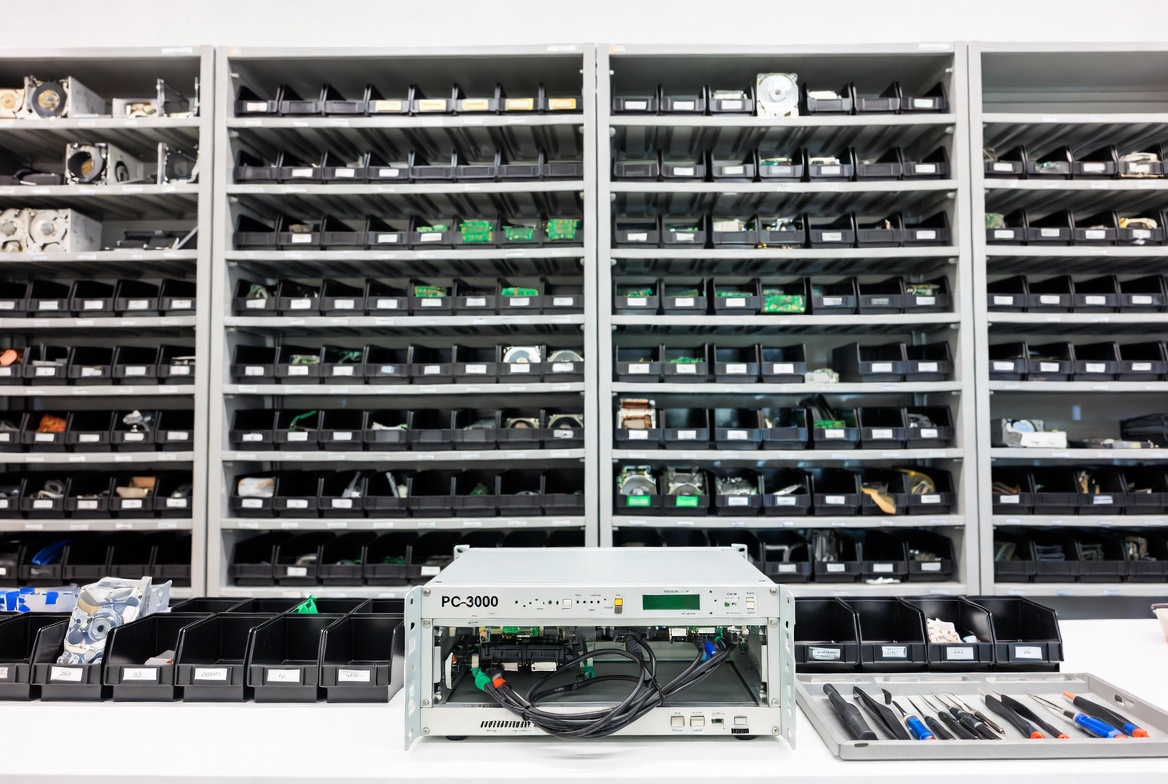
The engineers

Viktor (Dante) Burcevski
Executive Data Engineer / Owner
Board-level recovery, forensic extraction and complex storage cases.

David Williams
Co-founder · mobile & encryption
Part of Wildfire’s founding team.
What we can show you
In-house work. Tracked handling. Written terms.
The capabilities and conditions behind the service, and where to read them in full.
Forensic extraction tools
Cellebrite UFED, Oxygen Forensic and specialised phone extraction equipment.
Board-level repair in-house
Microscope inspection, controlled cleaning, micro-soldering and board stabilisation are done here, not sent elsewhere.
Secure handling
Restricted laboratory access and evidence-aware procedures for sensitive cases.
Tracked from door to bench
A prepaid Australia Post Express label, then online tracking with your job number and PIN.
No Data, No Fee, in writing
Standard consumer recoveries are covered, and the quote confirms the case category before you commit. Conditions →
Honest limits
If a phone is unlikely to be recoverable, for example after a completed factory reset, you are told before any paid work. See the limits →
Recovery methods
One laboratory, several paths to the data.
Engineers begin with the least invasive method and move to board-level or chip-level work only when simpler extraction is not possible.

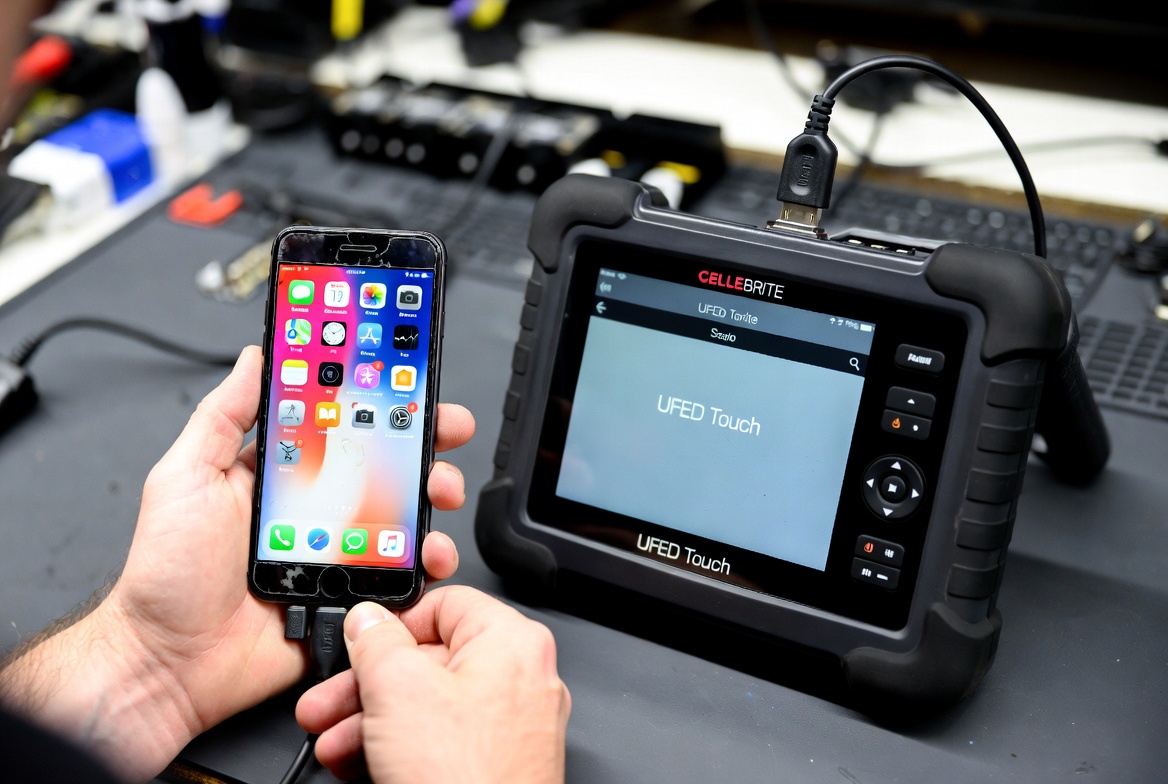
01 · Forensic extraction
Cellebrite and file-system access
Used when the phone can communicate but the data is inaccessible through normal screen or operating-system access.
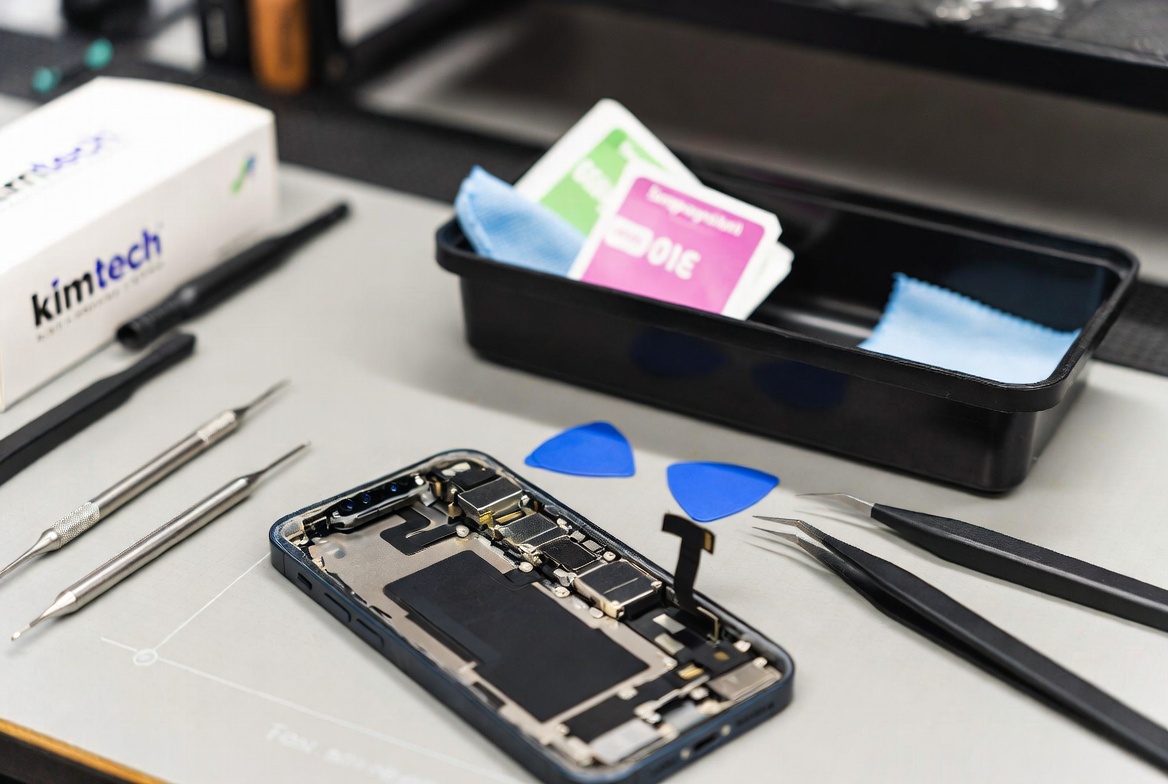
02 · Board-level repair
Micro-soldering and stabilisation
Failed connectors, power rails and board components can be repaired long enough to create a stable forensic image of the data.
03 · Advanced recovery
Direct and chip-level techniques
ISP, JTAG and chip-level procedures are reserved for severe cases where the device cannot be made to communicate normally.
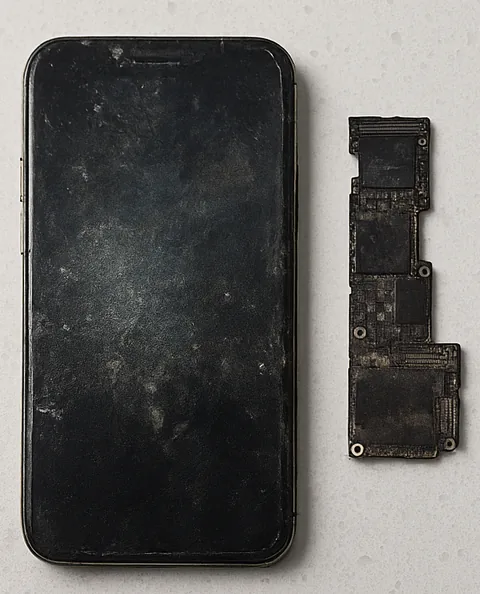
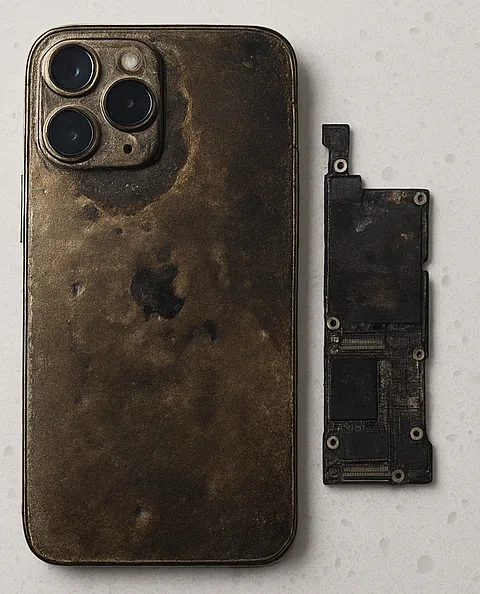
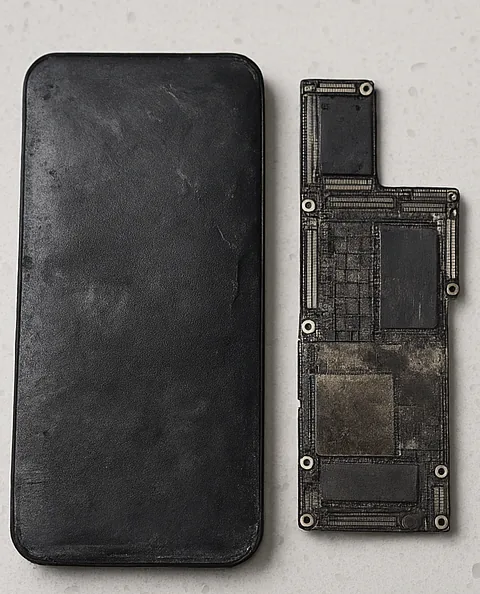
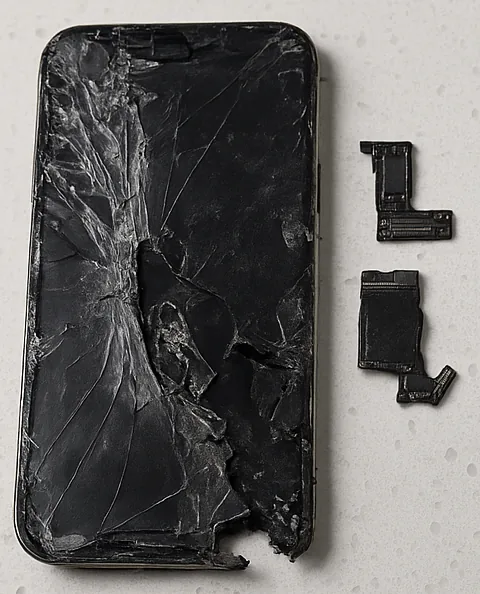
Phones that reach the bench
The damage we work with.
Photographs of phones received at the laboratory, shown for the type of damage. They are not published case outcomes. Browse the published case files →
Compare recovery providers
Six questions worth asking before anyone touches the phone.
Recovery pages often lead with speed, office locations or a free quote. Those are useful, but they do not tell you how the phone will be handled. Use these questions with any provider.
01Is diagnosis free and genuinely no-obligation?
A proper diagnosis should lead to a written recovery path and quote before work. Wildfire’s standard consumer diagnosis is free.
02Will I approve an exact quote before recovery starts?
A model estimate is only a guide. Wildfire confirms a fixed written quote after diagnosis and waits for your approval.
03Are forensic and board-level methods available in-house?
Dead and locked phones often need more than a screen repair or desktop software. Ask who performs the micro-soldering, stabilisation and forensic extraction.
04How is the phone transported and tracked?
Wildfire provides a prepaid Australia Post Express label, a shipping guide and online job tracking rather than requiring a public drop-off.
05Can I tell the lab exactly which data matters most?
Recovery success should be judged against your priorities. Use the saved brief on this page to list the photos, messages or business data that matter.
06What does “No Data, No Fee” include and exclude?
Ask for the conditions in writing. Wildfire applies the guarantee to standard consumer recoveries and confirms the case category before you commit.
05 Start
Start your phone recovery.
Four quick questions prepare a case summary for the laboratory and carry it into the verified Wildfire job form. The check does not diagnose the phone; it makes sure the first conversation starts in the right place.
Exact written quote before recovery.
Diagnosis is free. Sending the job form does not authorise chargeable recovery work.
Or go straight to the job form →
Prefer to speak to us?
1300 806 557Mobile recovery check
Step 1 of 4Saved recovery brief
Tell the engineer what matters most.
Choose the facts that matter to an engineer. The brief is stored only in this browser, can be copied into the job form and contains no name or contact details. The recovery check adds your priority data to its summary.
06 Delivery
No visit required. We send the label to you.
Start the case online and Wildfire emails a prepaid Australia Post Express label. Pack the phone, lodge it through Australia Post and track the recovery online.
Turn it off and protect it
Turn the phone off and wrap it so it cannot be scratched or move. Do not include chargers unless an engineer asks for them.
Use a rigid box
Pad every side so the phone cannot move in transit. A padded envelope is not enough.
Add the case reference
Put the case reference from the intake email inside the box, with a short note of what happened.
Label, lodge and track
Attach the prepaid Express label, lodge the parcel through Australia Post and keep the tracking number.
Swollen, hot, punctured or fire-damaged battery?
Do not lodge the parcel. Call 1300 806 557 so an engineer can confirm the safe intake method for the battery’s condition.
An estate, legal or evidence matter?
Tell us before intake. The phone should be preserved in its current state, and the work needs verified authority and an agreed scope. Read about mobile phone forensics →
Saved dispatch checklist
Prepare the phone for intake
Your progress is saved in this browser, so you can come back to it while you pack.
Turn the phone off and leave it off. Continue with the checklist below.
0 of 5 readySaved in this browser

07 Answers
Mobile phone recovery questions.
Straight answers about diagnosis, free Express Post intake, packing, tracking and technical recovery.
How much does mobile phone data recovery cost?
Cost depends on the phone, the damage and the recovery method it needs, rather than the amount of data. The recovery check on this page prepares the symptoms and likely assessment pathway, but it does not diagnose or quote remotely. Wildfire confirms the exact written quote after the free diagnosis, and no work starts until you approve it. See what decides the cost →
How do I get the free Australia Post Express label?
Open Wildfire’s shipping page or start the job form. After the case details are received, the prepaid Australia Post Express label is emailed to you. Attach it to a securely packed parcel and lodge it through Australia Post. Request the label →
Do I need to visit the laboratory?
No. Mobile recovery intake can be handled through the free prepaid Australia Post Express service, so you can start the case online from anywhere in Australia.
How should I pack a damaged phone?
Turn it off, protect it from movement and use a rigid box with padding on every side. Include the case reference inside and attach the prepaid label outside. Do not include chargers unless an engineer specifically asks for them. See the packing steps →
Can I post a phone with a swollen or heat-damaged battery?
Do not lodge a phone with a swollen, hot, punctured, smoking or fire-damaged battery until a Wildfire engineer confirms the safe intake method. Call the laboratory first on 1300 806 557.
Can you recover data from a water-damaged phone?
Often, yes. Keep the phone off and do not charge it. The laboratory may use corrosion cleaning, board stabilisation, forensic extraction or advanced chip-level methods, depending on what the liquid damaged.
Can you recover data from a phone that will not turn on?
Often, if the original logic board can be repaired or stabilised. The laboratory diagnoses the power fault, repairs the original board and extracts the data once the phone communicates. On modern encrypted phones, moving the memory chip to another phone does not give access to the data, so the original board matters.
Will you need my passcode?
Usually, yes. On modern phones the passcode protects the encryption keys, so even after the hardware is repaired the data can normally only be extracted with the passcode you hold. If it has been forgotten, tell us: the options depend on the model, the software version and proof of ownership or legal authority. Do not send passcodes through a general enquiry form; the laboratory will tell you how to provide them.
How do I track the recovery after posting the phone?
Use Wildfire’s Track My Recovery page with the job number and PIN from the intake email. The tracker is the fastest way to see the current stage without repeating the case details. Track my recovery →
What is chip-off data recovery?
Chip-off is an advanced technique in which a memory component is removed from a damaged board for specialist reading and reconstruction. Modern encryption means raw memory access alone is not always enough, so engineers assess the phone’s design and non-destructive options first. Why the original board matters →
08 Learn
Understand what matters.
What decides the recovery path, why the original board matters on a modern phone, and which cases may not be recoverable.
Your data may still be there when the phone is unusable.
Mobile phone data recovery retrieves inaccessible data after physical damage, software corruption, accidental deletion or a security lockout. The path depends on whether the phone can still communicate, whether its logic board can be stabilised and how the phone protects its encryption keys.
Logical recovery
Forensic tools read the phone through its normal interfaces. Used for supported deletions, corruption, failed updates and some lock scenarios.
Physical recovery
The board is repaired first. This may involve micro-soldering, component repair, ISP or JTAG work, or direct chip-level techniques.
Original data. Original hardware.
Why the original board matters.
On most modern encrypted phones, the memory chip does not hold readable files on its own. The data is encrypted, and the keys are protected by the phone’s processor and security hardware on the same board.
The original board is the connection.Components kept together
Encrypted storageProcessor & security
What this means for recovery
Reading the memory chip alone usually produces encrypted data. Engineers assess the original board and the phone’s design before choosing a recovery method.
Why chip-off is rarely the answer
Removing the memory chip does not bypass encryption on most modern phones. Engineers assess the phone’s design and non-destructive options first. Keep your passcode to hand, but do not send it in an enquiry.
Understanding the limits
Cases that may not be recoverable.
Some faults can be repaired. Lost encryption keys and overwritten data cannot be repaired in the same way. Assessment identifies which limits apply to your phone.
01 / FACTORY RESET
Encryption keys removed
After a completed factory reset
On modern encrypted phones, a completed reset normally removes the keys needed to read the previous data.
What this means
Reading the memory chip alone cannot recreate those keys. An existing cloud, computer or app backup may still contain a copy, even when the phone itself no longer provides a recovery route.
02 / ORIGINAL HARDWARE
Critical hardware destroyed
Loss of the original encryption hardware
If essential processor or security components are destroyed, the data may remain encrypted even if the storage survives.
What this means
A dead phone or damaged board does not automatically mean these components are destroyed. Assessment distinguishes repairable power or connection faults from permanent loss of the hardware or keys needed for decryption.
03 / OVERWRITTEN DATA
Original content replaced
Deleted data that has been overwritten
When new data replaces the original content, recovery tools cannot reconstruct the old files from those overwritten areas.
What this means
Deleting a file and overwriting it are different events. What remains depends on the phone, its storage management and later use. A separate backup, synced copy or recipient’s copy may still provide another source.
04 / STORAGE DAMAGE
Storage no longer readable
Damage beyond a readable state
Severe damage to the storage itself can prevent a usable read, even after other parts of the phone have been repaired.
What this means
A cracked screen, corrosion or failure to power on does not prove the storage is unreadable. The limit applies when the storage cannot provide the data needed for a readable and decryptable result.
Not sure which applies? An assessment can establish the device’s condition and whether a recovery route remains.
Start the free recovery checkSimplified illustrations. Phone architecture and recovery options vary by model.
09 Library
Guides, tools and a source to cite.
Bookmark this page for the saved brief and packing progress, or go straight to the Wildfire guide for your problem or phone.
By problem
- Water-damaged phone recoveryLiquid, corrosion and what to do first
- Dead phone recoveryNo power, boot loops and board faults
- Broken screen data recoveryBlack, cracked or unresponsive displays
- Deleted data recoveryPhotos, messages and app data
- Locked phone data recoveryForgotten passcodes and estate matters
- iPhone recovery and DFU modeUpdate or Restore, and the buttons for every iPhone
By phone
- iPhone data recoveryEvery iPhone fault, model by model
- iPad data recoveryDead, damaged and locked iPads
- Samsung data recoveryGalaxy phones and tablets
- Samsung Galaxy recoveryS, Z Fold, Z Flip and A series
- Android phone recoveryPixel, OPPO, Xiaomi, Motorola and more
- Mobile phone forensicsEvidence-aware extraction for legal matters
Reading and your job
- iPhone water damage: first stepsEmergency guidance from the Wildfire blog
- WhatsApp data recoveryBackups, deleted chats and what is possible
- Validating a mobile extractionSix steps from forensic practice
- Request the free Express labelShipping page and packaging guide
- Track an active recoveryJob number and PIN from the intake email
- Browse all recovery articlesGuides, case explanations and prevention
Ready when you are
Tell us what happened.
We’ll explain the options first.
Free diagnosis. A free Express post-in label. An exact written quote before any recovery work.